Edmond Font for Vintage-Inspired Branding
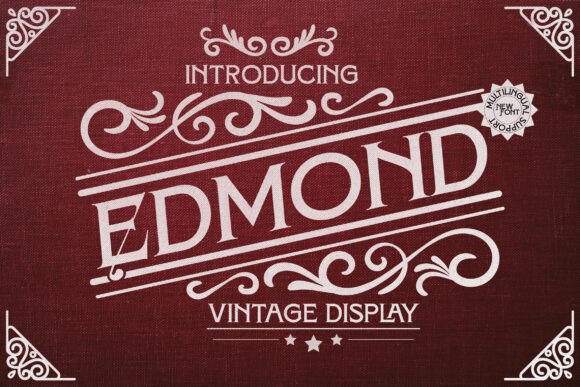
I was recently tasked with creating a brand identity for a boutique skincare line that wanted to evoke the timeless charm of old-world craftsmanship. As I opened my design board, I knew I needed a font that would stand out—something that could carry the weight of elegance without feeling outdated. That’s when I landed on Edmond, a vintage-inspired display font that captures undying charm and classic elegance flawlessly. Embellished with intricate details, it immediately felt like the perfect match for this project.
Edmond for Logo Design and Brand Identity
Testing Edmond on the logo concept was the first step. The moment I placed it over the brand name, I knew it had the right presence. It's not just a font—it's a statement. With its ornate serifs and flourishes, Edmond brings a sense of sophistication that feels handcrafted. It worked beautifully as a logo font, especially when paired with minimalist elements in the brand board. This vintage-inspired display font is ideal for logos that need to feel both refined and approachable, making it a strong choice for luxury or artisanal brands.
What stood out most was how well Edmond maintained its character across different sizes. Even at smaller scales, it retained enough detail to remain legible while still whispering of its elegant origins. This makes it particularly useful for brand assets that require consistency, from packaging to social media graphics.
Edmond in Packaging Design and Product Labels
When I moved to the packaging mockup, Edmond truly shone. I used it on a label for a handcrafted serum bottle, and the result was nothing short of stunning. The intricate details of the font gave the product an air of exclusivity, which aligned perfectly with the brand's vision. Whether you're designing labels for a handmade soap bar or a vintage-inspired candle, Edmond adds a layer of authenticity that can't be replicated by modern sans-serif fonts.
One thing to note is that Edmond works best when given space to breathe. On a small product label, it might appear too ornate if not spaced properly. But when used thoughtfully, it becomes a visual anchor that elevates the entire design. This vintage-inspired display font is especially suited for niche markets like artisanal goods, bespoke products, or luxury lines.
Edmond for Web Design and Social Media Graphics
Next, I tested Edmond on a website header and a few Instagram posts. The font performed exceptionally well on digital platforms, especially when used as a headline or call-to-action. Its classic elegance didn’t clash with modern web design trends—it actually complemented them. I paired it with a clean sans-serif font for body text, which created a balanced look that felt both traditional and contemporary.
On social media, Edmond added a touch of nostalgia that resonated with the target audience. It looked equally at home on a hero section of a landing page as it did on a promotional post. Just be mindful of using it sparingly; since it's a display font, it shouldn’t be used for long blocks of text. Instead, use it to highlight key messages or taglines where impact matters most.
Edmond and Font Pairing for Balanced Typography
Font pairing is always a delicate balance, and Edmond requires a thoughtful partner. I found that pairing it with a modern sans-serif like Montserrat or a clean serif like Playfair Display created a harmonious contrast. The contrast between the ornate Edmond and the more restrained secondary font helped guide the reader's eye naturally through the content.
If you're working on a brand that leans into a mix of old and new, consider using Edmond for headlines and your secondary font for body copy. This vintage-inspired display font can become the visual heartbeat of your brand, especially when used consistently across all touchpoints.
Practical Tips Before Using Edmond in Client Work
Before finalizing any client work with Edmond, take the time to test it in real conditions. Check how it looks on different backgrounds, screen resolutions, and print quality. Also, ensure you understand the licensing terms, as commercial use often requires specific permissions. Always verify that the font is available in the required formats (OTF, TTF, WOFF) and that it supports multilingual characters if your brand operates globally.
Remember, while Edmond is a display font, it's not suitable for long-form text. Save it for headlines, logos, and other short phrases where its unique style can shine without overwhelming the viewer. And above all, make sure it aligns with the brand’s personality and values—because a font is more than just letters; it's a reflection of who you are.